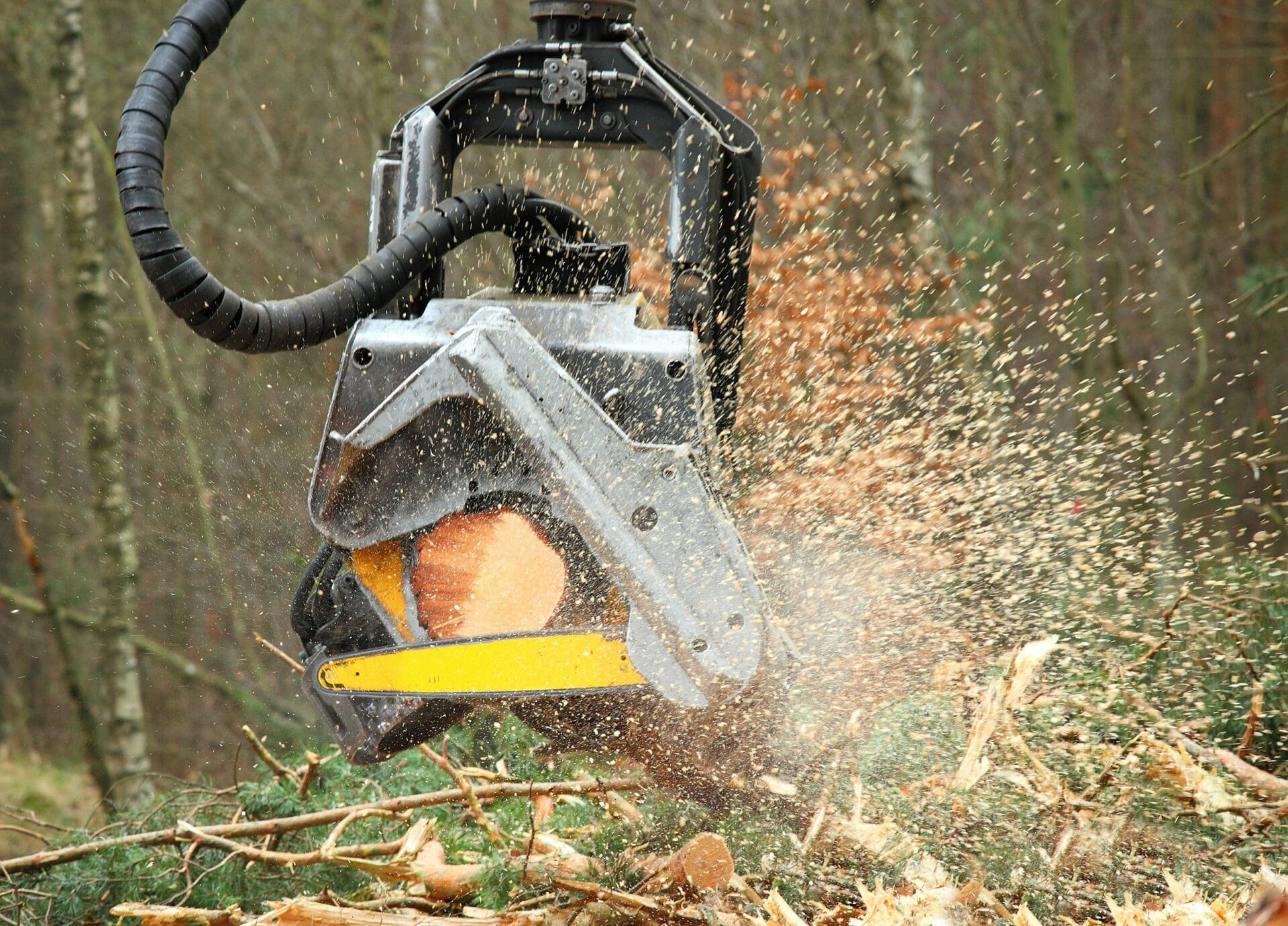
In modern land management, landscaping, and forestry work, the stump grinder is an essential machine. But its performance depends above all on one part: the teeth. Strange but true. It’s the smallest part of the grinder that makes the biggest impact. The engine provides power and the hydraulics move the machine, but it’s the teeth that truly make the difference in cutting quality, fuel consumption, and operating costs. That’s why choosing the right teeth is not just a matter of preference, it’s a decision that directly impacts productivity and profit.
This guide clearly explains the different types of stump grinder teeth, the differences between high-quality and low-grade materials, and the key factors to consider when making the right choice. It is designed for contractors, operators, and managers who want to work more efficiently and cut long-term costs.
The Functional Role of Stump Grinder Teeth
Stump grinder teeth serve as the primary cutting interface between the machine and the wood. Each tooth performs a high-frequency impact, chipping away material until the stump is fully removed.
Key functions include:
- Cutting efficiency: Determines the speed at which wood is processed.
- Durability: Influences replacement intervals and maintenance downtime.
- Energy transfer: Affects fuel consumption and engine load.
The U.S. Department of Energy highlights that cutting tool sharpness can directly influence power consumption in wood processing, reducing energy demand by up to 20% when maintained properly.
Also, general stump grinder maintenance guides stress that sharp teeth, along with regular inspections of belts, bearings, and hydraulic systems, strongly contribute to lower downtime and better operational efficiency.
Types of Stump Grinder Teeth
Different designs and materials are used depending on machine specifications and application.
1. Carbide-Tipped Teeth
Currently the industry standard—they combine a steel body with tungsten carbide tips. These provide high-wear resistance, making them suitable for dense hardwoods and extended use.
2. Rotational Teeth Systems (e.g., Green Teeth®)
Engineered for even wear distribution. Instead of replacing a tooth once it dulls, operators rotate it to a fresh edge. This reduces downtime and maximizes the service life of each component.
3. Standard Steel Teeth
Cheaper alternatives, often used in older or smaller grinders. While cost-effective upfront, they wear rapidly and require frequent sharpening.
4. Low-Grade Imports
Products manufactured with inconsistent metallurgy or poor heat treatment. These may fracture prematurely, creating risks of machine vibration, operator fatigue, and higher fuel consumption.
Technical Considerations in Tooth Selection
When evaluating stump grinder blades, contractors must consider several parameters:
- Machine Compatibility
Each manufacturer (Greenteeth®, Vermeer®, Woodland Mills®, Carlton®, Rayco®, Bandit®) designs grinders with specific cutting wheel configurations. Using non-compatible teeth can result in uneven cutting patterns and mechanical stress.
- Wood Type & Soil Conditions
Hardwoods such as oak or maple demand carbide for consistent penetration, while softwoods can tolerate lower-grade options. In rocky or sandy soils, reinforced teeth prevent premature wear. - Cutting Angle & Geometry
Proper cutting angles reduce friction, lower vibration, and optimize chip evacuation. Poorly engineered teeth increase operator strain and machine stress. - Lifecycle Cost vs Unit Price
As McKinsey emphasizes in its analysis of procurement efficiency, focusing on lifecycle performance rather than upfront unit cost is critical to long-term savings. Premium teeth may cost more initially but deliver lower cost per stump processed.
Common Mistakes to Avoid
1. Prioritizing Initial Cost
A contractor choosing low-cost teeth may save in procurement but lose in downtime, sharpening, and fuel usage. Over a season, these hidden costs far outweigh initial savings.
2. Operating with Dull Teeth
Extending the use of worn teeth increases engine load, elevates fuel consumption, and risks damage to the grinder wheel. Studies in wood processing show that keeping cutting tools sharp significantly reduces cutting time and overall energy consumption.
The blog Stump Grinding: Getting to the Roots of the Problem points out misperceptions about expectations and performance when teeth are not sharp or well-selected.
3. Neglecting Maintenance Cycles
Even premium carbide teeth require scheduled rotation or replacement. Ignoring maintenance intervals reduces efficiency and increases total cost of ownership.
Productivity & Cost Analysis
The ROI of premium stump grinder blades can be quantified.
- Labor: Industry comparisons show that carbide-tipped cutting tools can last several times longer than high-speed steel equivalents, reducing the frequency of part changes and downtime.
- Fuel: With average diesel prices around $3.70–$3.80 per gallon in 2024–25, reducing unnecessary fuel burn by just one gallon per stump saves more than $2,500 per year.
- Machine Wear: Premium teeth lower vibration, extending the lifespan of bearings, belts, and hydraulic systems.
Cost optimization and operational efficiency have become central drivers of competitive advantage in service industries. Selecting the correct grinder teeth is a direct path to such efficiency.
Strategic Benefits of Premium Quality
Adopting high-quality stump grinder blades offers strategic benefits beyond immediate productivity:
- Reliability: Reduces the risk of project delays, protecting contractor reputation.
- Scalability: Enables crews to handle higher stump volumes with the same labor resources.
- Safety: Minimizes machine vibration and kickback, lowering operator fatigue and injury risk.
- Predictable Costs: Lifecycle performance provides budgeting stability across seasons.
For organizations managing multiple crews or regional contracts, these benefits compound into measurable competitive advantage.
Best Practices for Choosing Stump Grinder Teeth
- Consult OEM Specifications: Always align tooth type with the grinder model.
- Invest in Carbide for Hardwood Regions: Particularly in areas with oak, hickory, or maple prevalence.
- Leverage Rotational Systems: For high-volume contractors seeking reduced downtime.
- Partner with Established Suppliers: To ensure metallurgy consistency and technical support.
Upgrade Your Grinder with Precision Teeth
The efficiency of a stump grinder is determined not by horsepower alone but by the sharpness, durability, and design of its teeth. Contractors who continue to view grinder teeth as interchangeable consumables risk higher costs, slower performance, and competitive disadvantage. Those who invest in premium, properly engineered components build reliability and long-term profitability into their operations.
We combine the highest-quality materials on the market with the most competitive prices available, delivering exceptional value without compromise.
Whether you are a professional contractor or an individual operator, if you are ready to modernize your stump grinding and reduce overall costs, the next step is clear: partner with us for premium-grade, precision-engineered stump grinder teeth.
Fast delivery guaranteed. Orders placed by 2 pm CT ship the same day, with next-day options available.